









A reader’s map
Psychotherapy theories, approaches, and the questions they help us ask
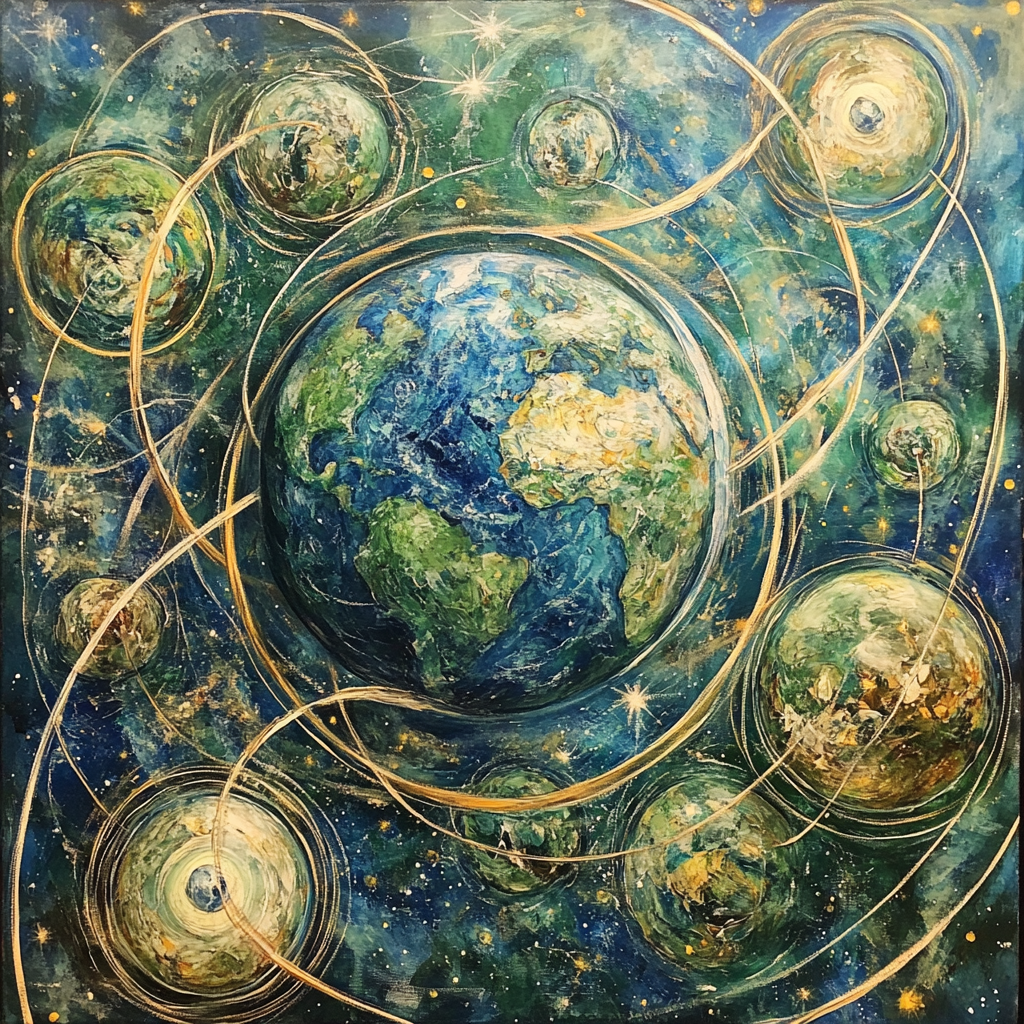
No single theory explains a person. Each approach brings part of experience into focus, and each leaves something outside the frame. This map offers several ways into the writing: through the concern that brought us here, the therapeutic tradition that interests us, or the part of human experience we are trying to understand.
Start with lived experience
What are we trying to understand?
The Topics guides organize the site around recognizable questions and concerns. They are the clearest place to begin when the name of a theory matters less than the experience we are living.
Anxiety and emotional regulation
Threat, rumination, control, regulation, trauma, and the gap between insight and action.
Relationships, attachment, and communication
Connection, conflict, intimacy, responsibility, parenting, and the patterns created between people.
Self, identity, and personal growth
Identity, integrity, boundaries, shame, responsibility, differentiation, and change.
Therapy, mental health, and clinical practice
What changes in therapy, what the relationship contributes, and what psychological maps can and cannot do.
Mindfulness, embodiment, and everyday well-being
Attention, sensation, movement, health behavior, contemplative practice, creativity, and ordinary participation.
Meaning, philosophy, and spirituality
Freedom, limitation, suffering, purpose, perception, acceptance, and spiritual meaning without forced certainty.
Systems, culture, and collective life
Culture, context, institutions, information, economics, collective responsibility, and shared problems.
Different lenses, different information
How do different therapies approach the work?
The names below describe broad families, not sealed categories. Many therapists work across several traditions. The related articles are not textbook definitions of every model named. They show how Thoughts From a Therapist explores the questions those approaches make visible.
Thought, behavior, choice
Cognitive and behavioral approaches
CBT, DBT, ACT, solution-focused therapy, motivational interviewing, and behavioral activation attend to patterns among interpretation, emotion, action, values, and reinforcement. They ask what maintains a pattern and what becomes possible when awareness is joined by practice.
Understanding Anxiety Is Only the Beginning
Why Can’t I Change Even When I Understand My Patterns?
The Anxiety of Efficiency
Attachment, communication, feedback
Relational and systemic approaches
Attachment-based therapy, emotionally focused therapy, the Gottman Method, Bowen family systems, structural family therapy, and relational-cultural approaches locate distress within patterns of connection. They ask what happens between people, what the system reinforces, and how belonging shapes each person within it.
Interventions in Relational Counseling
How to Listen Empathically
What Is a Long-Term Relationship For?
Presence, emotion, lived contact
Experiential, humanistic, and depth approaches
Person-centered therapy, Gestalt therapy, emotion-focused therapy, psychodynamic work, Jungian psychology, and parts-oriented approaches attend to what becomes available in lived experience. They ask what has been disowned, defended against, or understood intellectually without yet being felt and integrated.
Using Immediacy in Therapy
Can AI Conduct Therapy?
Self of the Therapist: Core Dimensions
Story, identity, meaning, limit
Narrative and existential approaches
Narrative therapy, existential psychotherapy, logotherapy, and meaning-centered approaches attend to authorship, freedom, responsibility, mortality, and purpose. They ask which stories organize identity, what cannot be controlled, and how meaning is practiced within the conditions of an actual life.
The Realities of Rigid Identity
The Question of Enough
The Observer and the Observed
Body, protection, regulation
Somatic and trauma-informed approaches
Somatic Experiencing, EMDR, Sensorimotor Psychotherapy, Hakomi, trauma-focused approaches, and polyvagal-informed practice attend to sensation, activation, protection, memory, movement, and safety. They ask what the body learned and how physiological experience participates in meaning and change.
Somatic Descent Into the Hidden Narrative
State Shifting
The Snake in the Room
Awareness, acceptance, compassion
Mindfulness, compassion, and contemplative approaches
MBSR, MBCT, compassion-focused therapy, contemplative psychotherapy, and transpersonal approaches attend to our relationship with thought, emotion, awareness, and suffering. They ask whether experience can be observed and received without being suppressed, obeyed, or converted too quickly into certainty.
Analysis vs Observation
When Compassion Silences Self-Worth
Fear of Abandonment vs. Integrity
Multiple levels, one human system
Integrative, contextual, and systems approaches
Integrative psychotherapy, family systems, cultural and contextual therapies, community psychology, and ecological approaches resist reducing distress to one level. They ask how identity, relationship, body, culture, material conditions, and feedback loops participate together, then choose a workable starting point without mistaking it for the whole person.
An Integrative Alternative to the DSM
The Fractal Field of Mental Health
Strength Is Contextual
What part of experience is the approach helping us notice?
The useful question is often not which theory is correct, but which dimension of experience has become difficult to hear. A therapy can begin in one place while remaining accountable to the rest of the system.
Within the person
Identity, emotion, thought, sensation, memory, movement, and the protective adaptations that preserve continuity under constraint.
Between people
Attachment, communication, mutual regulation, conflict, belonging, power, repair, and the patterns no individual creates alone.
Across action, time, and context
Choice, restraint, timing, strategy, culture, material conditions, meaning, spirituality, creativity, and the larger systems within which a life unfolds.
A useful map helps us notice what has been missing. It becomes less useful when the map is mistaken for the person.
Continue through the writing
The guides above offer curated paths. The complete archive preserves the longer record of how these ideas have developed, changed, and returned in different forms.